Five Signs Your Air Handler Needs Attention Before It Fails
The air handler is the indoor half of your cooling system, and catching problems early is almost always cheaper than waiting for a breakdown.
August 27, 2026 · 4 min read
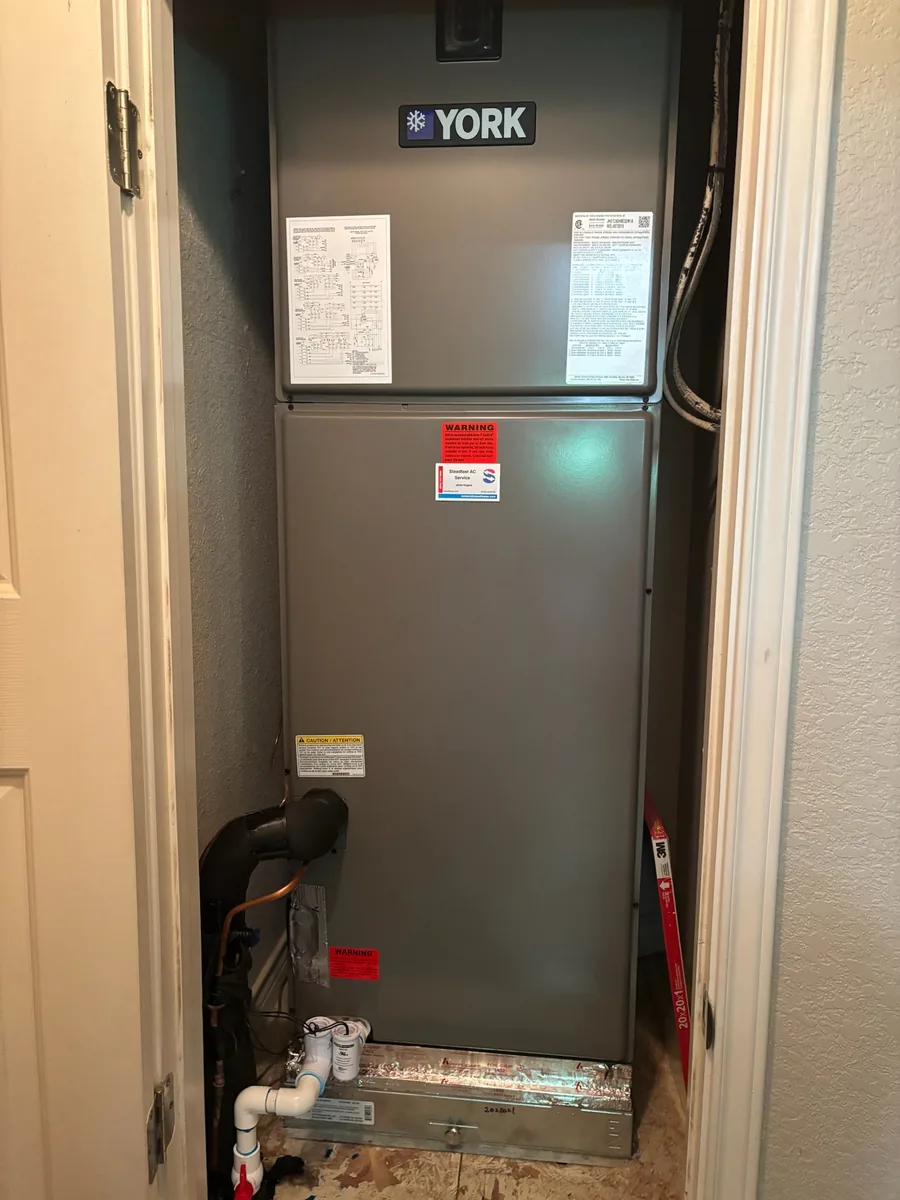
Most homeowners think about their air conditioner as the big metal box sitting outside. That condenser unit gets all the attention because it is visible. But the air handler, the indoor unit tucked into a closet or utility room, is doing an equally important job, and it tends to give warning signs before it fails if you know what to look for.
Catching a developing air handler problem early usually means a repair rather than a replacement. Here are five signs worth paying attention to.
1. Weak or Uneven Airflow from the Vents
If some rooms are noticeably harder to cool than others, or if the airflow from your supply vents feels weaker than it used to, the air handler is a natural place to start. The blower motor inside the air handler is responsible for moving conditioned air through your ductwork. A failing motor, a dirty blower wheel, or a clogged filter can all reduce airflow enough to cause uneven cooling.
Start with the filter. A filter that is due for replacement will restrict airflow significantly. If the filter is clean and you are still seeing uneven airflow, a technician can measure static pressure through the system to identify whether the blower or the ductwork is the limiting factor.
2. Ice on the Refrigerant Lines or the Unit Itself
Ice on the copper refrigerant line running from your air handler is one of the more visually obvious warning signs. It happens when the evaporator coil inside the air handler gets too cold, usually because airflow is restricted or because refrigerant charge is low. When the coil temperature drops below the dew point, moisture in the air freezes on the coil surface instead of draining away.
A frozen coil cannot absorb heat effectively, so the house stops cooling even as the system keeps running. If you see ice forming, turn the system off and let it thaw completely before running it again. Running a frozen system forces the compressor to work against a blocked coil, which accelerates wear on an expensive component. Once thawed, check the filter first. If the filter is not the issue, call for a refrigerant check.
3. Unusual Sounds During Operation
Air handlers make some noise during normal operation. The blower motor hums, and you will hear the rush of air through the ducts when a cycle starts. What you should not hear are banging, rattling, squealing, or grinding sounds.
- Rattling often points to a loose panel, a debris object in the blower wheel, or a loose blower wheel itself.
- Squealing is a common symptom of a blower motor bearing that is starting to fail. The motor still runs, but not for long.
- Grinding is more serious and usually means metal-on-metal contact inside the motor. This is an immediate repair situation.
- Banging or clanging at startup can indicate a loose or bent blower wheel blade.
These sounds do not go away on their own. They tend to get worse, and ignoring them long enough usually means a more expensive repair or a motor replacement that could have been avoided.
4. Water Around the Indoor Unit
Your air handler removes humidity from the air as it cools. That moisture condenses on the evaporator coil and drips into a drain pan, then travels out through the condensate drain line. In a Texas summer, a properly working system can pull several gallons of water out of your home's air every day.
When you see water pooling around or under the air handler, it usually means one of two things. Either the drain pan itself has cracked or is overflowing because the condensate line is clogged, or the coil is frozen and the meltwater is overflowing the pan when the system shuts off. Either way, water near your air handler should be addressed promptly. A clogged condensate line is a relatively inexpensive fix. Water damage to the surrounding area, or to the system itself, is not.
5. Higher Electric Bills Without a Change in Use
An air handler that is working harder than it should draws more power. A failing blower motor, a dirty evaporator coil, or a developing refrigerant issue all force the system to run longer to move the same amount of conditioned air. If your electric bill has climbed compared to the same months last year and you have not changed your thermostat settings or added anything significant to the house, the HVAC system is worth examining.
A maintenance visit is a good starting point. A technician can clean the evaporator coil, check refrigerant charge, measure the blower motor's amperage draw, and clear the condensate drain. In many cases, a thorough cleaning and tune-up restores efficiency enough to see a meaningful difference in the next billing cycle.
The Value of Catching Problems Early
Air handlers are not glamorous equipment. They sit in a closet and do their job without asking for much attention. But when they fail during a Texas summer, they do it at the worst possible time. Steadfast AC Service offers preventive maintenance for residential systems in the Tomball area, and the team, including James, Chris, Daniel, and Nate, is available for after-hours service when something goes wrong outside of business hours. If any of these signs sound familiar, call (713) 303-4552.
Steadfast AC Service — (713) 303-4552
Call (713) 303-4552More articles
Why Your AC Runs Nonstop in a Texas Summer (and When That Is Actually a Problem)
Constant cooling cycles are expected when it is 100 degrees outside, but a few warning signs mean your system needs a look.
What the Refrigerant Transition from R-410A to R-454B Means for Your Next AC Replacement
The refrigerant your next system uses has changed, and understanding the difference will help you ask better questions when it is time to replace.