What the Refrigerant Transition from R-410A to R-454B Means for Your Next AC Replacement
The refrigerant your next system uses has changed, and understanding the difference will help you ask better questions when it is time to replace.
August 27, 2026 · 3 min read
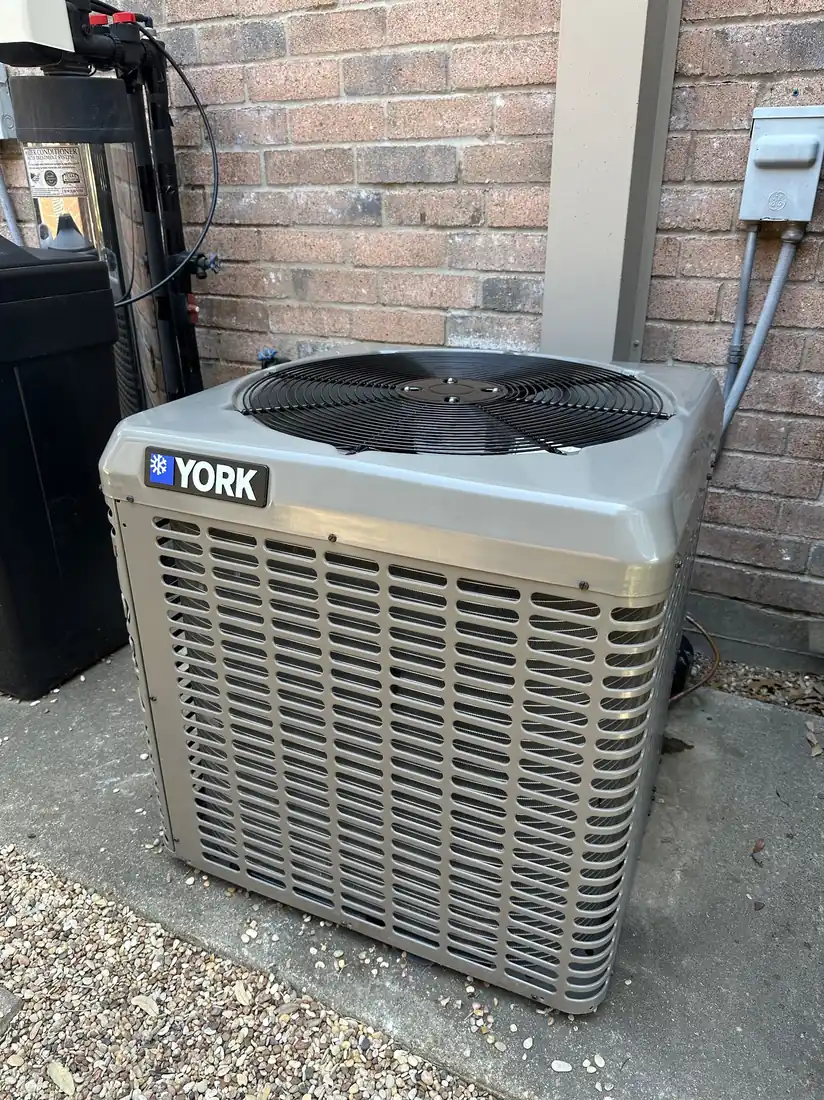
If you are in the market for a new air conditioning system, or if your current one is getting close to the end of its life, you are going to hear the name R-454B more than you used to. The refrigerant industry is in the middle of a significant transition, and it affects every homeowner who replaces a system going forward.
This is not a reason to panic or to rush a replacement before you need one. But understanding what is changing, and why, will help you have a more informed conversation when a contractor hands you a quote.
Why R-410A Is Being Phased Out
R-410A has been the standard residential refrigerant in the United States for roughly two decades. It replaced R-22, which you may remember as "Freon," after that refrigerant was found to deplete the ozone layer. R-410A fixed the ozone problem but has a high global warming potential, roughly 2,088 times that of carbon dioxide over a 100-year period.
Regulations at the federal level set 2025 as the effective date after which manufacturers could no longer produce new residential equipment using R-410A. Systems sold from that point on must use a lower-global-warming-potential refrigerant. R-454B, sold under the brand name Puron Advance, has a global warming potential of 466, about 78 percent lower than R-410A.
What This Means for Your Existing System
If your current system uses R-410A and it is working well, you do not need to do anything. The refrigerant in your system is not being recalled, and it will not stop working. Service technicians can still purchase R-410A to recharge systems that develop leaks, though the supply is shrinking and prices have risen as production winds down.
The practical impact hits when a major component fails. If your compressor fails on a 12-year-old R-410A system, you face a choice: replace the compressor with an R-410A unit (which requires an increasingly expensive and supply-limited refrigerant) or replace the whole system with a new R-454B unit. In most cases, a failed compressor on an aging system tips the math toward full replacement anyway, but the refrigerant transition makes that calculation starker than it used to be.
R-454B in Practice: What Is Different
R-454B is classified as A2L, meaning it is mildly flammable. R-410A is classified as A1, meaning it is not flammable at all. This difference in classification sounds alarming, but in practice it means the equipment is designed with specific safety provisions, such as low-voltage ignition safeguards, rather than presenting any everyday hazard to homeowners.
For your home, the main change is that technicians working on R-454B systems need specific training and tools. The refrigerant requires different handling equipment, different leak detectors, and recovery cylinders rated for A2L refrigerants. A qualified HVAC contractor who has updated their training and equipment will handle this without issue.
What to Ask When Getting a Replacement Quote
If you are getting quotes on a new system, a few questions are worth asking:
- Does this system use R-454B? Any new equipment installed now should. Be cautious if a contractor is quoting older R-410A inventory at a steep discount without explaining why.
- Is the equipment ENERGY STAR certified? New R-454B systems are generally more efficient than the R-410A systems they replace, and efficiency ratings matter for your monthly electric bill in a Houston summer.
- What is included in the install beyond the equipment? In many Houston-area replacements, additional work is needed: new refrigerant line sets, updated drain lines, a new thermostat, and sometimes plenum or ductwork work. Getting a clear scope of what is and is not included prevents surprise add-ons after the truck is in your driveway.
- Is there a warranty on labor and parts? Understand the difference between the manufacturer's equipment warranty and the contractor's labor warranty.
The Timing Question
The refrigerant transition is not a reason to replace a system that is working fine. A well-maintained R-410A system can run reliably for 15 to 20 years, and running it until it needs replacement is perfectly sensible. The transition matters when you are already at the replacement decision point, because it affects which equipment is available, what service costs look like over time, and what a well-equipped contractor's quote includes.
Steadfast AC Service has been installing and servicing equipment in Tomball, Spring, Cypress, and The Woodlands since 2018. If you have questions about where your current system stands or what a replacement would look like, call (713) 303-4552 and James or his team can walk you through the options without pressure.
Steadfast AC Service — (713) 303-4552
Call (713) 303-4552More articles
Why Your AC Runs Nonstop in a Texas Summer (and When That Is Actually a Problem)
Constant cooling cycles are expected when it is 100 degrees outside, but a few warning signs mean your system needs a look.
Five Signs Your Air Handler Needs Attention Before It Fails
The air handler is the indoor half of your cooling system, and catching problems early is almost always cheaper than waiting for a breakdown.