What to Expect During a Preventive Maintenance Visit
Knowing what your technician is checking, and why, helps you ask better questions and get more value from every maintenance call.
August 27, 2026 · 4 min read
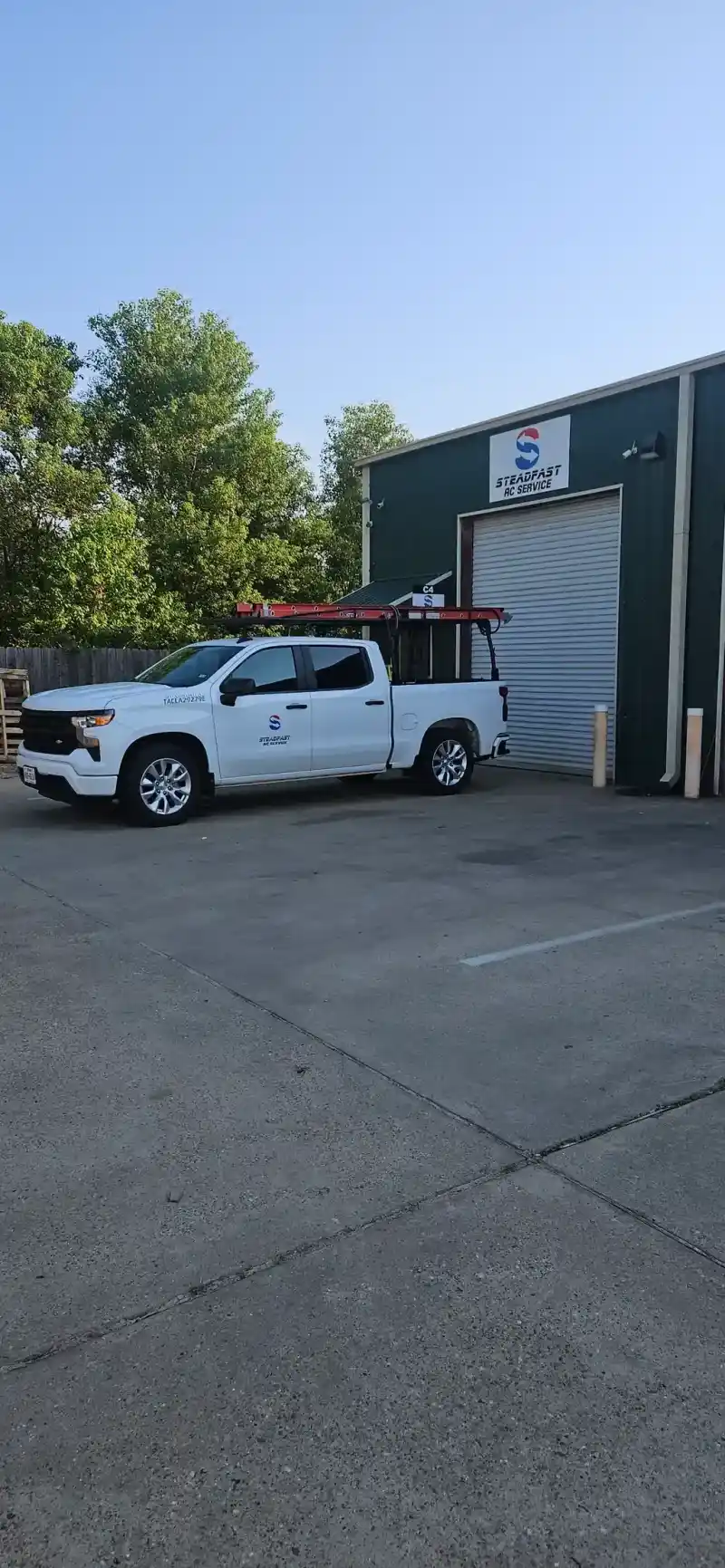
Preventive maintenance is one of those things that is easy to postpone when the AC seems to be working fine. But in the Houston area, where systems run hard for seven or eight months of the year, a properly maintained system is noticeably more reliable than one that only gets attention when something breaks.
Knowing what a maintenance visit should include helps you understand the value of having it done, and helps you recognize when a visit was thorough versus when it was just a checkbox.
Before the Technician Arrives
There are a couple of things you can do before a maintenance visit that make the technician's job easier and your home safer during the call. Make sure the area around your outdoor condenser unit is clear of debris, weeds, and stored items. The technician will need to access all four sides of the unit, and good airflow around the condenser is part of what gets checked.
Inside, make sure the area around your air handler is accessible. If it is in a closet with stored items, clear a path so the technician can open the unit, access the coil, and check the drain pan without obstacles.
The Outdoor Condenser: What Gets Checked
The outdoor unit is where the system rejects heat from your home into the outside air. A good maintenance visit covers:
- Cleaning the condenser coil fins. Dust, cottonwood seeds, and debris accumulate between the aluminum fins and reduce the coil's ability to transfer heat. A dirty condenser coil forces the compressor to work harder and raises refrigerant pressures.
- Inspecting the condenser fan motor and blade. A worn motor bearing or a bent blade creates airflow problems and is a common failure point.
- Checking electrical connections. Vibration over time can loosen terminals at the contactor, capacitor, and disconnect. Loose connections cause arcing and heat buildup.
- Testing the capacitor. Capacitors help the compressor and fan motors start. A weak capacitor is a leading cause of compressor failure because the motor draws excess current trying to start. Testing it is cheap; replacing it is cheap. Replacing a compressor is not.
- Checking refrigerant pressure. A technician can read system pressure with gauges to check whether refrigerant charge is within the manufacturer's specification. Low pressure indicates a leak somewhere in the system.
The Indoor Air Handler: What Gets Checked
The indoor side of the maintenance visit covers the parts of the system you do not normally see:
- Evaporator coil inspection. The evaporator coil is where refrigerant absorbs heat from your home's air. Dust and debris accumulate on the coil surface over time and reduce heat transfer. A coated coil also holds moisture longer, which can contribute to mold growth.
- Condensate drain cleaning. The drain line carries water from the drain pan out of the house. Algae growth is extremely common in the Houston climate and can clog the drain within a season. A clogged drain overflows the pan and can water-damage the surrounding area. Flushing the line is a standard part of any thorough maintenance visit.
- Blower wheel inspection. The blower wheel moves air through the system. A dirty blower wheel is heavier and less balanced, which reduces airflow and strains the motor bearings.
- Checking electrical connections at the air handler. Same reason as the outdoor unit: loose connections create heat and eventual failure.
- Replacing the air filter if needed. Some visits include the filter; some do not. Ask before the technician arrives so you have one ready.
System-Level Checks
Beyond the individual components, a complete maintenance visit includes a few system-level measurements that confirm the whole system is working as intended:
- Temperature differential across the evaporator coil. A technician can measure the temperature of the air going into the return side of the air handler and compare it to the air coming out of the supply side. A typical split is 14 to 22 degrees in normal conditions. A smaller split often indicates a refrigerant or airflow problem.
- Thermostat calibration check. The thermostat should be reading accurately and cycling the system correctly.
- Visual inspection of refrigerant lines and insulation. The suction line (the larger of the two copper lines) should be insulated and cold to the touch when the system is running. Missing or degraded insulation reduces efficiency.
What You Should Receive at the End
A thorough maintenance visit ends with a summary of what was checked, what was found, and what the technician recommends. If a capacitor is testing at the low end of its rated range, a good technician tells you. If the refrigerant pressure suggests a slow leak that is not causing a problem today but will eventually, that gets noted. You should leave the visit knowing the current condition of your system, not just that someone showed up and left.
The team at Steadfast AC Service, James, Chris, Daniel, and Nate, has been handling residential maintenance in Tomball, Spring, Cypress, and The Woodlands since 2018. James personally follows up after service calls to make sure everything is still performing the way it should. If you want to schedule a maintenance visit before the heat peaks, call (713) 303-4552.
Steadfast AC Service — (713) 303-4552
Call (713) 303-4552More articles
Why Your AC Runs Nonstop in a Texas Summer (and When That Is Actually a Problem)
Constant cooling cycles are expected when it is 100 degrees outside, but a few warning signs mean your system needs a look.
What the Refrigerant Transition from R-410A to R-454B Means for Your Next AC Replacement
The refrigerant your next system uses has changed, and understanding the difference will help you ask better questions when it is time to replace.