Getting a Gulf Coast Heating System Through a Hard Freeze After Nine Months Sitting Idle
A furnace that's sat untouched since March doesn't fail because it's cold outside. It fails because nothing tested it in between.
August 27, 2026 · 4 min read
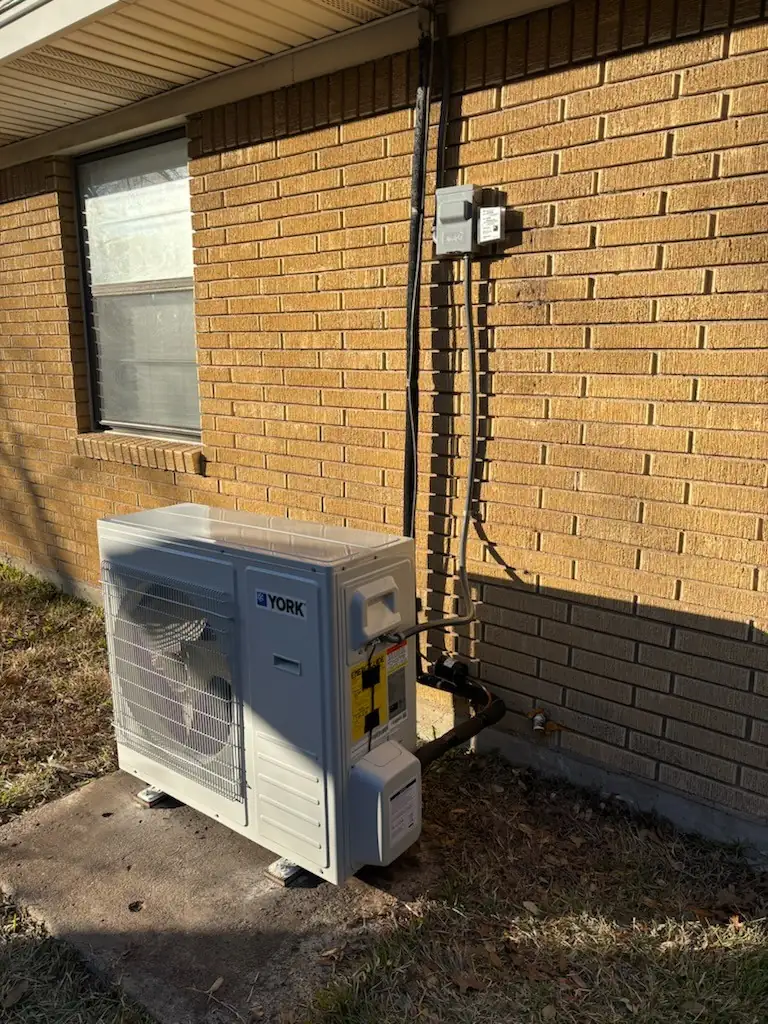
Around Tomball, Spring, Cypress, and The Woodlands, heating season is short and the equipment knows it. A furnace or heat pump here might run hard for a handful of weeks and then sit completely idle for the better part of nine months while the AC side does all the work. That long a gap between uses is exactly the kind of condition that turns a small, cheap problem into a no-heat call on the one night a year you actually need it, usually a night with a hard freeze in the forecast and every HVAC company in the region fielding the same calls at once.
Why idle time is the real risk
Dust settles into a furnace's burner assembly and igniter over a long summer. A pilot or hot surface igniter that was working fine in February can develop a hairline crack or accumulate enough dust to fail on the first cold start of the season, because nothing exercised it in between. Small pests find their way into outdoor heat pump units and unused gas lines over the warm months. None of this is a defect in the equipment. It's simply what happens to any mechanical system that goes unused for three-quarters of a year in a humid climate, and it's why a pre-freeze check catches problems while they're still small and scheduled, rather than after they've become urgent and unscheduled.
The freeze-specific failure points
A few things are specific to the freeze itself rather than just general idle time. The condensate line, the same one that causes trouble in summer humidity, can freeze solid in a hard freeze if it runs anywhere it's exposed to outside air, and a frozen line can shut a system down the same way a clogged one does in July. Heat pumps, which are common in this area since winters are mild enough that a heat pump alone often covers it, go through a defrost cycle in cold weather, briefly reversing to melt frost off the outdoor coil. A heat pump that seems to be blowing cool air for a few minutes at a time during a freeze may just be mid-defrost cycle, which is normal, but a system that never comes back to heating after defrost is not.
Furnace or heat pump, the idle problem is the same
Which type of equipment you have changes what specifically can go wrong, but not the underlying risk. A gas furnace depends on an igniter, a flame sensor, and a heat exchanger that all sat unused since spring, and a flame sensor coated in a season's worth of dust is one of the more common reasons a furnace fires briefly and then shuts itself back off, which is the equipment's safety system doing exactly what it's supposed to do rather than a sign of something dramatic. A heat pump depends on refrigerant, a reversing valve, and outdoor coil fins that can pick up leaves, spiderwebs, and mud daubers' nests over a long idle summer. Either way, the equipment hasn't been tested under real load in months, and a freeze is a poor time to find out what didn't survive the idle stretch.
A short pre-freeze check
- Run the heat for a few minutes on a mild day before the freeze actually arrives, not for the first time during the freeze itself. This catches an igniter or pilot problem while you still have options.
- Change the filter if it hasn't been touched since spring. A dirty filter restricts airflow across the heat exchanger the same way it does across a cooling coil.
- Check that the outdoor unit, for a heat pump, isn't already surrounded by debris or leaves that built up over the summer.
- If you smell anything unusual, gas, burning dust, or anything else, when the furnace first kicks on, shut it off and call rather than waiting to see if it clears up. That one is a safety matter, not a comfort one.
If it fails during the freeze itself
Our posted office hours are Monday through Friday, 8:00 AM to 5:00 PM, and we're closed Saturday and Sunday. But a hard freeze doesn't wait for business hours, and after-hours emergency service is a genuine part of how this firefighter-owned, family owned company operates, not a line on a website. We've been out on Sunday nights and after-hours calls plenty of times when a system went down at the worst possible moment, because that's when it actually matters. If your heat fails during a freeze, call (713) 303-4552. If you'd rather not find that out the hard way, get it checked before the first cold snap of the season instead.
Steadfast AC Service, (713) 303-4552
Call (713) 303-4552More articles
What Actually Breaks on a Texas AC in August, and What You Can Check First
The heat doesn't break your AC directly. It just runs the system long enough that whatever was already weak finally gives out.
Why Upstairs Is Hotter Than Downstairs in a Two-Story Tomball Home
Heat rises, but that's only part of why the top floor never seems to cool down like the rest of the house.