Why Upstairs Is Hotter Than Downstairs in a Two-Story Tomball Home
Heat rises, but that's only part of why the top floor never seems to cool down like the rest of the house.
August 27, 2026 · 4 min read
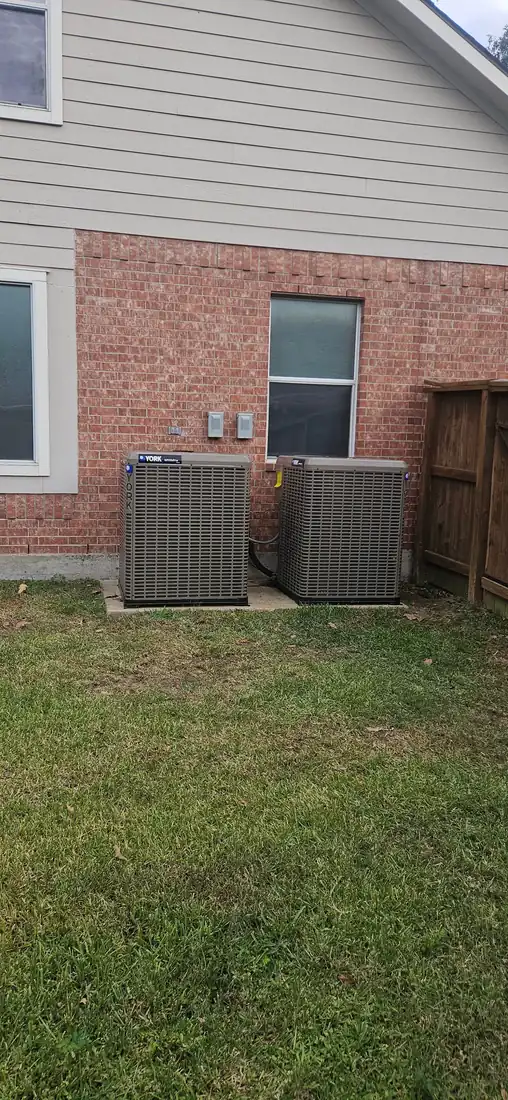
It's one of the most common things we hear from homeowners in two-story houses across Tomball, Spring, Cypress, and The Woodlands: the downstairs feels fine, and the upstairs never quite catches up. Sometimes it's a couple of degrees. Sometimes a bedroom at the end of the hall is unlivable by four in the afternoon while the living room below is comfortable. It's rarely one single cause, and it's almost never as simple as "the system is broken."
Heat physics you're actually fighting
Warm air is less dense than cool air, so it naturally rises and pools near the ceiling and on the upper floor. That alone would give you a warmer second floor even in a perfectly designed house. Add a Texas attic sitting above the second floor, often reaching well over 130 degrees on a summer afternoon, radiating heat down through the ceiling insulation and the ductwork that usually runs through that same attic space, and the upstairs is fighting a heat load the downstairs never sees. West and south-facing upstairs bedrooms with afternoon sun make it worse again.
One system or two
Some homes in this area run a single system trying to serve both floors, others run two separate systems, one per floor, sized and controlled independently. A single shared system is more prone to the upstairs-hotter complaint because both floors are drawing off the same capacity and the same thermostat, usually mounted downstairs, which means the system stops running once the ground floor is satisfied even if the second floor still has a way to go. A properly sized two-system setup avoids a lot of this, which is one reason it's common in larger homes through The Woodlands and Cypress. Neither approach is wrong. It's a question of what the house was built around and what's realistic to change now.
What balancing actually means
Balancing isn't one adjustment, it's a handful of smaller ones that add up. It starts with the supply and return registers themselves: partially closing a few downstairs vents can push more air upstairs without starving the first floor, though this only works within limits and overdoing it can hurt the whole system. Dampers installed inside the ductwork give a technician a way to make that adjustment at the duct itself rather than guessing at the register. Duct sizing and layout matter too. Ducts run to a hot, oversized upstairs zone with an undersized trunk line will never move enough air no matter what else you adjust. And in some homes the fix isn't airflow at all, it's insulation and attic ventilation, because no amount of balancing beats a ceiling that's radiating heat straight through.
A practical starting point
- Check that upstairs return air isn't blocked by furniture, rugs, or a closed door, since a starved return can undo everything else.
- Note which rooms run hot and at what time of day. Afternoon-only heat in a west-facing room points toward sun load, not just airflow.
- If you've got a single thermostat controlling both floors, consider whether the house would benefit from zoning or from adjustments at the dampers rather than closing vents by hand.
- Have someone actually measure airflow and temperature split at the registers rather than guessing. It's the difference between a real fix and a habit of closing more vents every summer.
Insulation and attic ventilation
Airflow adjustments only go so far when the real problem is heat coming through the ceiling itself. Attic insulation in older Tomball-area homes is frequently thinner than what's recommended for this climate, and it's not something most homeowners ever check unless a roof leak forces them up there. If the attic floor is insulated to a lower standard than the rest of the house was built to, the upstairs ceiling is absorbing far more heat than it should on a July afternoon, and no amount of vent balancing will fully offset that. Attic ventilation matters too. A poorly vented attic traps heat instead of letting it escape, which raises the temperature the ductwork itself sits in before that air ever reaches a register. This is why two houses with identical equipment can behave completely differently upstairs. It usually isn't the AC that's different, it's what's happening above the ceiling.
What it costs to leave alone
An unbalanced two-story house doesn't just mean an uncomfortable bedroom. It usually means the thermostat gets set colder than it needs to be to compensate, which runs the whole system harder and longer than a properly balanced house would need. Over a full Texas summer that adds up on the electric bill, and it also means the equipment is logging more run hours than it should, which shortens its working life. A balancing job is rarely a big one once someone's identified where the actual restriction is, and it tends to pay for itself in both comfort and a lower bill.
Getting it looked at properly
This is one of those problems that's genuinely worth having someone walk the house for, upstairs and down, because the right fix depends on how the ductwork was actually run and how the house sits relative to the sun, not on a general rule. We've spent enough afternoons in Tomball attics to know the difference between a duct problem, a damper problem, and a system that's simply undersized for a two-story house in this climate. If your upstairs never quite gets there, call (713) 303-4552 and we'll take a real look rather than telling you to close another vent.
Steadfast AC Service, (713) 303-4552
Call (713) 303-4552More articles
What Actually Breaks on a Texas AC in August, and What You Can Check First
The heat doesn't break your AC directly. It just runs the system long enough that whatever was already weak finally gives out.
What a System Replacement Really Costs Around Houston, and What Moves the Number
The honest answer is a range, not a number, because two houses with the same size unit can have very different jobs behind the wall.